
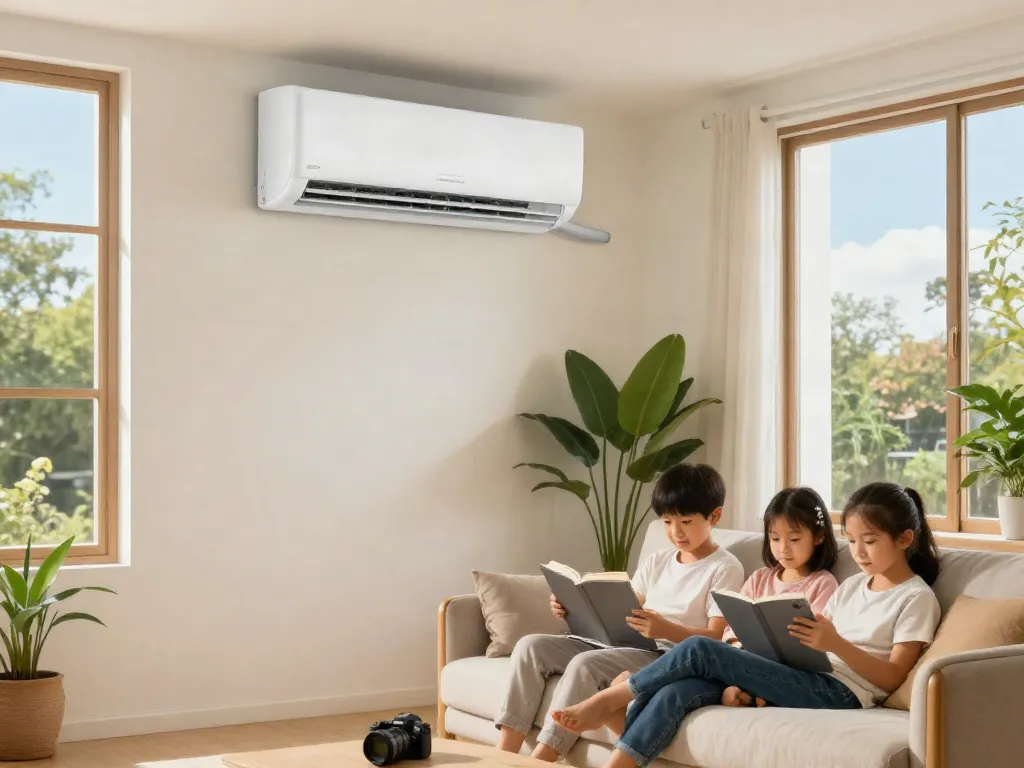
Understanding Mini Split AC Systems
As homeowners seek efficient climate control solutions, mini split ac systems have emerged as a leading choice. These systems not only provide versatile heating and cooling options but also offer considerable energy savings. In this guide, we will delve into the intricacies of mini split air conditioners, their functionality, and the advantages they provide.
What is a Mini Split AC?
A mini split AC is a type of ductless air conditioning system that consists of two main components: an outdoor compressor unit and one or more indoor air handling units. Unlike traditional AC systems that rely on ductwork to distribute air, mini splits provide direct cooling and heating to individual rooms or zones. This makes them ideal for homes without existing duct systems, renovations, or spaces where duct installation is impractical.
How Mini Split ACs Work
Mini split systems utilize a simple refrigeration cycle to transfer heat. The outdoor unit absorbs heat from the outside air and transmits it to the refrigerant. This refrigerant is then sent to the indoor units, where it releases cool air. The process can be reversed in heating mode, allowing homeowners to enjoy year-round comfort. This dual functionality (cooling and heating) is one of the key reasons why mini splits are favored in temperate climates.
Benefits of Using a Mini Split AC
- Energy Efficiency: Mini splits are designed to be energy-efficient, often boasting high SEER ratings. This contributes to lower electricity bills compared to traditional AC systems.
- Zone Control: With multiple indoor units, homeowners can control the temperature in each room independently, which is perfect for accommodating different preferences.
- Space Saving: The compact design of mini split systems allows for more flexible installation compared to bulky window units or central air systems.
- Easy Installation: Without the need for extensive ductwork, mini splits can be installed more quickly and with less disruption to your home.
Installation Process for Mini Split ACs
Preparing for Installation
Before installing a mini split AC, it's essential to conduct a thorough assessment of your space. Factors to consider include the size of the area to be cooled or heated, insulation levels, and existing electrical systems. Additionally, selecting the right size mini split is crucial; under-sizing can lead to insufficient cooling, while over-sizing can cause inefficiency and higher operating costs.
Choosing the Right Location
The placement of both the indoor and outdoor units is vital for optimal performance. Ideally, the outdoor unit should be in a shaded area to avoid overheating, while the indoor unit should be positioned for an unobstructed airflow. Additionally, avoiding locations near sources of heat, like kitchens, can prevent the system from working harder than necessary.
DIY Installation vs. Professional Help
While installing a mini split system can be a DIY project for those with technical skills, many homeowners benefit from hiring a professional. Experienced technicians ensure that the system is installed correctly and complies with local codes, which can prevent future complications. Furthermore, professional installation can often keep warranties intact, which is essential for long-term reliability.
Maintenance Strategies for Mini Split ACs
Regular Cleaning and Servicing
To maintain efficiency, mini split AC units require regular cleaning and servicing. Homeowners should clean or replace air filters every few months, especially in high-use seasons. Additionally, the outdoor unit should be kept free of debris to ensure optimal airflow and performance. Scheduling annual maintenance checks with a professional can also help identify and resolve potential issues before they escalate.
Common Issues and Troubleshooting Tips
Issues such as reduced airflow, unusual noises, or air not cooling properly can arise with mini split systems. Common troubleshooting steps include checking the air filters, ensuring the outdoor unit is free from obstructions, and verifying that the refrigerant levels are adequate. If problems persist, consulting a technician is advisable to avoid further damage.
When to Call a Technician
While homeowners can handle minor maintenance, certain issues should prompt a call to a professional. If you notice refrigerant leaks, persistent mechanical noises, or the system cycles on and off frequently, these are signs that a technician's expertise is required. Timely interventions can save on costly repairs and extend the lifespan of the system.
Energy Efficiency and Cost Savings
How Mini Split ACs Reduce Energy Bills
One of the standout features of mini split AC systems is their energy efficiency. By using inverter technology, these systems can modulate their cooling and heating output based on the room’s needs, reducing unnecessary energy consumption. Homeowners can save significant amounts on their utility bills, making mini splits an economically wise choice.
The Role of SEER Ratings
SEER (Seasonal Energy Efficiency Ratio) ratings are crucial when evaluating the efficiency of a mini split AC. Higher SEER ratings indicate better efficiency, meaning lower energy costs. For example, a mini split with a SEER rating of 20 consumes less energy than one with a rating of 14, leading to more savings over time.
Financial Benefits of Long-Term Use
The initial investment in a mini split AC may be higher than traditional units, but the long-term financial benefits are considerable. Lower maintenance costs, reduced energy bills, and the potential to qualify for energy rebates make them an economical choice in the long run. Moreover, these systems often have longer lifespans, further justifying the initial expenditure.
Future Trends in Mini Split AC Technology
Innovations to Expect by 2026
The technology surrounding mini split AC systems is continuously evolving. By 2026, we can expect innovations such as enhanced energy efficiency ratings, even quieter operation, and improved aesthetics to seamlessly blend with modern interiors. Manufacturers are also likely to develop lightweight units that are easier to install and maintain.
Smart Home Integration
As smart home technology gains traction, mini split systems are expected to integrate with home automation platforms. This will allow homeowners to control their cooling and heating through smartphones or voice commands, increasing convenience and efficiency. Features such as scheduling, remote access, and energy monitoring will become standard.
Eco-Friendly Refrigerants and Their Impact
Environmental concerns are driving the shift towards eco-friendly refrigerants in mini split systems. Manufacturers are focusing on alternatives with lower global warming potential (GWP), which can significantly reduce the environmental impact of HVAC systems. Consumers can expect to see more eco-conscious options in the market, aligning with broader sustainability goals.
What are the disadvantages of a mini split?
Despite their many advantages, mini split systems have some disadvantages too. Initial installation costs can be higher than traditional systems, and their appearance may not appeal to everyone. Additionally, if not sized or installed correctly, they can lead to inefficiencies or discomfort in the living area.
Is a mini split AC worth it?
Many homeowners find that the benefits of a mini split AC outweigh the drawbacks. When considering energy savings, improved comfort, and flexibility, these systems often prove to be a worthwhile investment, especially in homes without existing ductwork.
Why is my electric bill so high with a mini split?
If you notice elevated electric bills despite using a mini split system, factors might include improper sizing, lack of maintenance, or higher usage due to extreme weather conditions. Ensuring regular maintenance and optimizing your system's settings can help manage and reduce energy costs.
What's the average cost to put in a mini split?
The average cost of installing a mini split AC unit can range from $2,000 to $5,000, depending on the size of the home, the number of zones, and the complexity of installation. It's essential to obtain quotes from qualified professionals to ensure accurate budgeting.
What size mini split AC do I need for my room?
Choosing the correct size mini split AC is critical for achieving optimal comfort and energy efficiency. Factors such as room size, ceiling height, insulation, and climate play a significant role in determining the appropriate capacity. A professional can conduct a load calculation to help identify the best unit for your space.