Understanding the Active Lifestyle
The term active is often used to describe a lifestyle characterized by regular physical activity and engagement in various exercises and sports. It implies a commitment not just to working out, but to incorporating movement into daily life. Embracing an active lifestyle can lead to numerous health benefits, including improved cardiovascular health, enhanced mood, and greater longevity. Understanding what it means to be active and how to effectively incorporate it into your routine is essential for anyone looking to enhance their quality of life. Whether you're a seasoned athlete or just starting your fitness journey, there are countless opportunities to stay engaged and healthy. When exploring options, active resources provide comprehensive insights that can help guide your efforts.
What Does It Mean to Be Active?
Being active extends beyond hitting the gym or participating in organized sports. It encompasses a wide range of physical activities that promote movement and health. This can include anything from walking and cycling to gardening and dancing. The key is to engage in activities that elevate your heart rate and keep your body moving. An active person typically integrates physical movement into their daily routine, making it a fundamental part of their lifestyle rather than a once-in-a-while task.
Benefits of Maintaining an Active Lifestyle
The advantages of leading an active lifestyle are both physical and mental. Here are some of the key benefits:
- Improved Physical Health: Regular activity strengthens the heart, muscles, and bones, reducing the risk of chronic diseases such as obesity, diabetes, and heart disease.
- Mental Well-being: Being active has been shown to reduce symptoms of depression and anxiety, enhance mood, and improve overall mental health.
- Increased Longevity: Engaging in physical activities can lead to a longer, healthier life by warding off diseases and maintaining mobility into older age.
- Better Sleep Quality: Regular physical activity often improves sleep patterns, helping individuals fall asleep faster and enjoy deeper sleep.
Common Misconceptions About Being Active
Many people hold misconceptions about what it means to be active. Some believe that only high-intensity workouts or organized sports qualify, but this is not true. Activities such as walking, light stretching, or even household chores contribute to your activity levels. Another common myth is that you need to spend hours exercising each week to reap benefits. In reality, short bursts of activity throughout the day can be just as effective.
Creating Your Personalized Active Routine
Developing a personalized active routine that fits your interests, schedule, and fitness level can help you maintain a consistent lifestyle change. The best routine is one that you enjoy and can stick to over the long term.
Evaluating Personal Fitness Levels
Before creating your active routine, it's essential to evaluate your current fitness levels. This includes assessing your strengths and areas for improvement. Consider conducting a simple fitness test that measures your endurance, strength, flexibility, and balance. This will give you a baseline to gauge your progress and adjust your routine as needed.
Choosing Activities That Fit Your Lifestyle
Your personal interests will significantly influence the activities you choose to engage in. If you love being outdoors, consider hiking, biking, or joining a local sports team. If you prefer indoor activities, explore yoga, dancing, or high-intensity interval training (HIIT). The key is to select activities that keep you motivated and excited to move.
Setting Realistic Fitness Goals for 2026
Setting achievable goals is crucial for maintaining motivation. Instead of vague resolutions, opt for specific, measurable, and time-bound goals. For instance, aim to run a 5k by the end of the year or commit to exercising for at least 30 minutes five times a week. Tracking your progress and celebrating small achievements can help sustain your momentum.
Effective Workouts for Different Body Types
Understanding your body type can help you choose workouts that work best for you. This can maximize your results and align your fitness journey with your natural physique.
Strength Training vs. Cardio: What Works Best?
Both strength training and cardio play essential roles in fitness. Strength training builds muscle, boosts metabolism, and enhances overall strength. Meanwhile, cardiovascular exercises improve heart health and stamina. For a balanced approach, aim to include both types of workouts in your routine, with an emphasis on what aligns with your personal fitness goals.
High-Intensity Interval Training Techniques
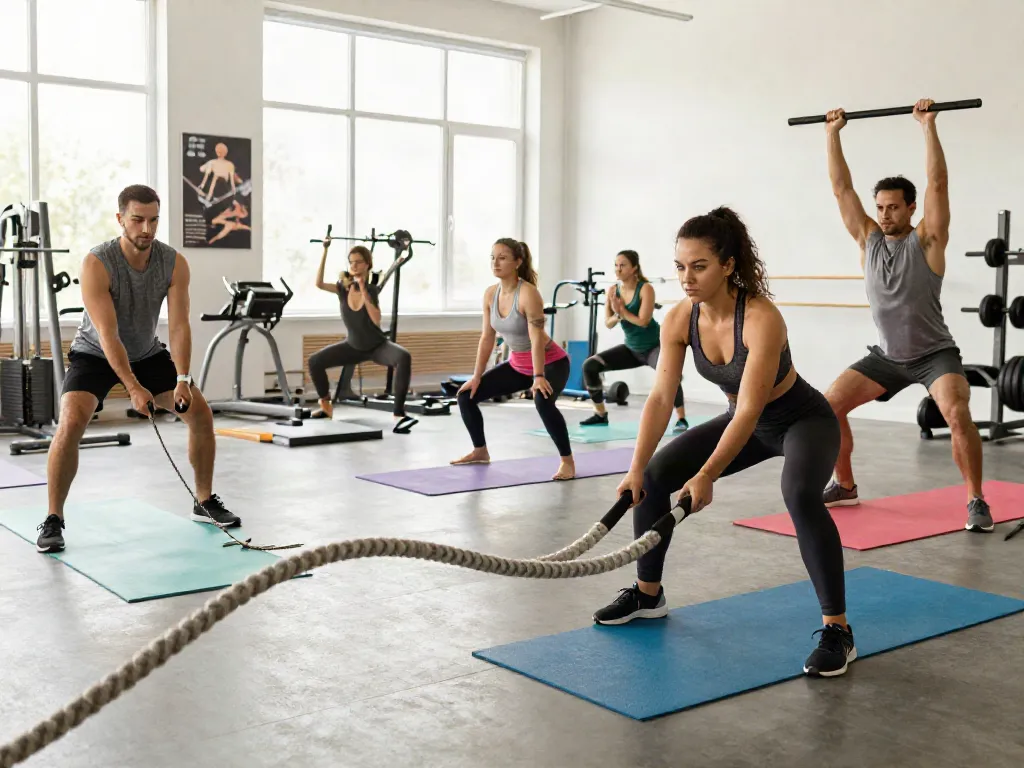
High-intensity interval training (HIIT) has gained popularity for its efficiency and effectiveness. It consists of short bursts of intense activity followed by rest or lower-intensity periods. This method can be adapted for various exercises, including running, cycling, or bodyweight exercises. It's a time-effective way to burn calories and improve cardiovascular fitness.
Incorporating Flexibility and Mobility Exercises
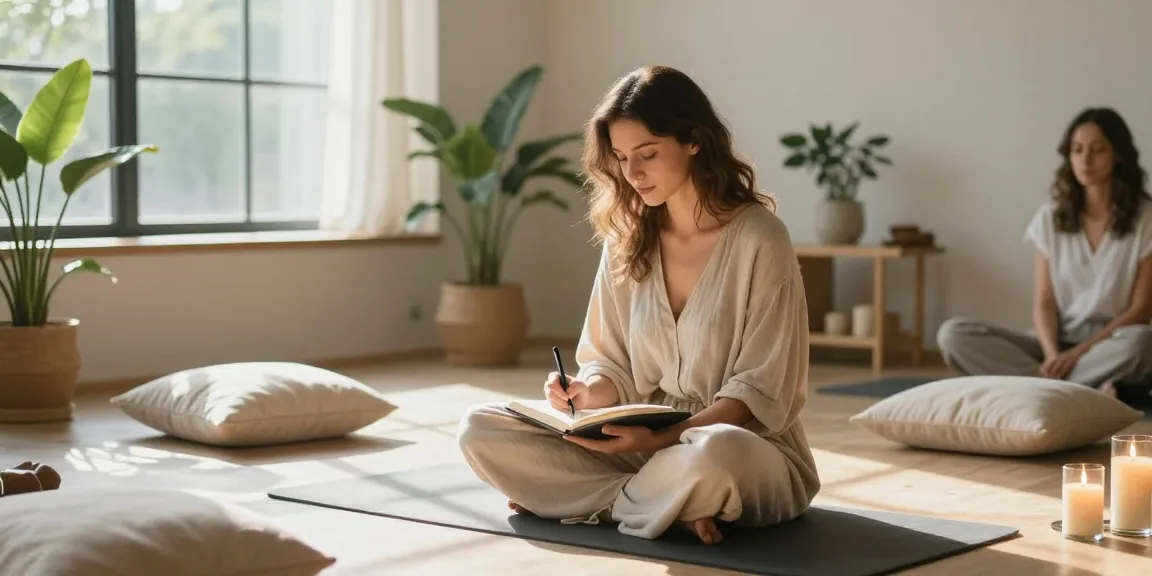
Flexibility and mobility are often overlooked but are just as important as strength and endurance. Incorporating exercises such as yoga or Pilates can enhance your flexibility, improve balance, and reduce the risk of injury. These disciplines promote body awareness and can serve as excellent complements to more vigorous workouts.
Overcoming Barriers to Staying Active
Many individuals face barriers that can impede their ability to maintain an active lifestyle. Understanding these challenges is the first step toward overcoming them.
Identifying Common Fitness Challenges
Common challenges include time constraints, lack of motivation, and physical limitations. A busy schedule may leave little room for workouts, while motivation can dwindle without clear goals. Additionally, injuries or health conditions may present obstacles that need addressing.
Strategies for Maintaining Motivation
To keep your motivation high, consider varying your workout routine to prevent boredom. Tracking progress with a fitness app or journal can also provide insight and encouragement as you see improvements over time. Partnering with a workout buddy or joining a fitness group can provide social support and accountability.
Building a Supportive Community for Fitness
Engaging with a community can enhance your experience and commitment to being active. Whether it’s a local sports team, fitness class, or online forums, being part of a community can provide encouragement, share resources, and build friendships centered around a common goal of health.
Future Trends in Active Lifestyles
The landscape of fitness is continually evolving, influenced by technological advancements and the changing needs of society. Understanding these trends can help you stay ahead in your active pursuits.
Technology's Role in Fitness and Health
Wearable technology, mobile apps, and online platforms have revolutionized the fitness industry. These tools provide users with the ability to track activity levels, monitor health metrics, and participate in virtual workouts. As technology advances, expect to see more innovations aimed at making fitness engaging and accessible to everyone.
Evolving Fitness Trends to Watch in 2026
As we look towards 2026, several fitness trends are gaining traction. These include increased interest in holistic wellness practices, such as mindfulness and nutrition alongside physical activity, and the growing popularity of outdoor fitness experiences. Additionally, personalized fitness plans based on individual data are becoming more prevalent, allowing for tailored approaches to health and exercise.
Expert Insights on Sustainable Active Living
Experts stress the importance of sustainability in fitness practices. This encompasses not only environmentally friendly workout gear but also sustainable lifestyle choices that promote overall well-being. Incorporating various activities, prioritizing mental health, and fostering social connections contribute to a holistic approach to staying active.
What are the health benefits of being active?
Staying active significantly impacts health by enhancing cardiovascular fitness, strengthening muscles and bones, and improving mental health. Furthermore, regular physical activity can boost your immune system, increase energy levels, and improve cognitive function.
How can I make fitness a part of my daily routine?
To integrate fitness into your daily routine, aim to include short bouts of activity throughout your day, such as taking the stairs instead of the elevator, walking during lunch breaks, or setting reminders to stand and stretch at your desk. Establishing a regular schedule for longer workouts can also instill consistency.
What types of workouts are best for beginners?
For beginners, the focus should be on low-impact exercises such as walking, swimming, or yoga. These activities are easier on the joints while still providing significant health benefits. As confidence and endurance build, you can gradually incorporate more intense activities into your routine.
How can technology enhance my fitness journey?
Technology can track your progress, provide workout guidance, and connect you with a community. Fitness apps and wearable devices can help manage your goals, suggest workouts, and offer reminders to stay active throughout the day.
What trends should I look for in fitness in 2026?
In 2026, expect to see a greater focus on mental wellness in fitness, personalized training based on genetic information, and more inclusive options catering to a wider audience. Staying informed about these trends will empower you to adapt your active lifestyle accordingly.