
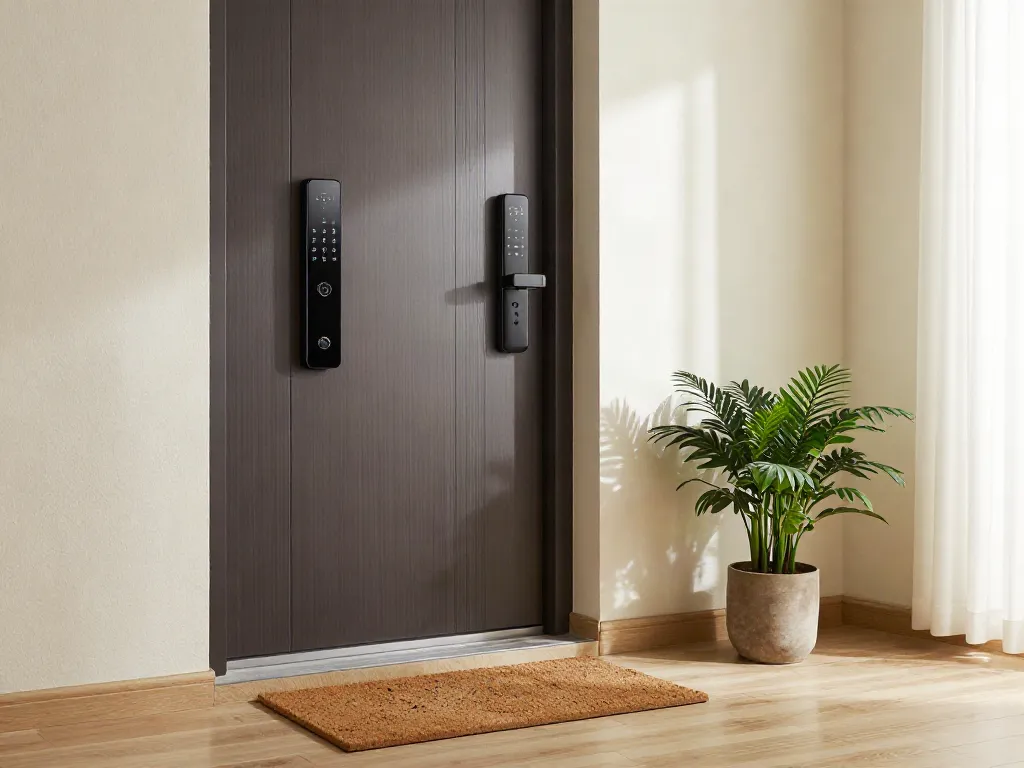
Understanding Smart Locks: The Future of Home Security
In an age where technology continually evolves, smart locks are rapidly becoming an essential component of home security systems. These innovative devices not only replace traditional keys but also introduce an array of advanced features that enhance security and convenience. From biometric scans to smartphone integration, smart locks offer solutions that adapt to our increasingly digital lives. As homeowners recognize the benefits of sophisticated access controls, understanding the wide variety of smart locks available is crucial. When exploring options, خرید قفل هوشمند can simplify the selection process, providing comprehensive insights into features and prices.
What is a Smart Lock?
A smart lock is an electromechanical device that secures doors and other entries via wireless technology. Unlike conventional locks that require physical keys, smart locks can be operated through various digital means, such as passwords, mobile apps, or biometrics like fingerprints. The technology behind smart locks allows them to be integrated into a home automation system, enhancing overall security and convenience.
Types of Smart Locks Available
Smart locks come in various designs and types, each suited for different applications and preferences. Some popular types include:
- Keyless Entry Locks: These locks allow users to enter their premises without a physical key, relying instead on codes or mobile applications.
- Biometric Locks: Utilizing fingerprints or facial recognition, these locks provide a highly secure access method that eliminates the need for codes or keys.
- Wi-Fi Enabled Locks: These locks connect directly to the home Wi-Fi network, enabling remote control and access management from anywhere in the world.
- Bluetooth Smart Locks: These locks connect to mobile devices via Bluetooth, allowing users to unlock doors with their smartphones when in proximity.
Key Features to Look for
When selecting a smart lock, it’s essential to consider several key features that influence usability and security:
- Security Features: Look for locks that offer advanced security measures, such as encryption and tamper alerts.
- User Management: The ability to add or remove users easily from the system is crucial for homes with multiple residents.
- Integration: Ensure the lock can seamlessly integrate with existing smart home ecosystems like Google Assistant, Alexa, or Apple HomeKit.
- Battery Life: A lock that runs on batteries should have a long battery life and an easy replacement process.
Choosing the Right Smart Lock for Your Needs
Assessing Your Security Requirements
Before making a purchase, it’s vital to assess your specific security needs. Consider factors such as the location of the lock, the level of traffic it will experience, and who will need access. For example, homes with frequent visitors or delivery personnel may benefit from locks offering temporary access codes.
Understanding Pricing and Budget Considerations
Smart locks vary significantly in price, depending largely on features and brand. Basic models may start at a low price point, while high-end options with advanced security features can be considerably more expensive. It’s important to establish a budget before shopping and to weigh the cost against the benefits of added security and convenience.
Installation Processes to Anticipate
Most smart locks are designed for easy installation, often allowing homeowners to replace their existing locks without professional help. However, some models may require additional tools or expertise, especially if they are integrated into a more extensive home automation system. Always read product reviews and installation instructions before committing to a particular lock.
Benefits of Smart Locks Over Traditional Locks
Enhanced Security Features
Smart locks offer enhanced security over traditional locks in various ways. With features like auto-locking mechanisms, real-time access notifications, and alert systems for unauthorized access attempts, these devices provide greater peace of mind. Moreover, many smart locks also create records of who enters and exits the premises, which can be invaluable for homes and businesses alike.
Convenience and User Control
One of the most attractive features of smart locks is the convenience they offer. Homeowners can unlock doors remotely, grant access to guests without being present, and control systems using their smartphones. This flexibility is particularly useful for those with busy lifestyles or those who frequently travel.
Integration with Smart Home Systems
Smart locks can integrate seamlessly with other smart home devices, allowing for comprehensive automation and monitoring. For instance, a smart lock can work alongside smart cameras, alarms, and lighting systems to create a robust security network that enhances both safety and convenience.
Real-World Applications and Case Studies
Smart Locks in Residential Settings
In residential settings, smart locks can enhance home security significantly. Many families are adopting smart locks to manage access for children, guests, and service workers. For example, a family can provide unique codes for babysitters or cleaners that expire after a set time, ensuring no one has lingering access.
Usage in Commercial Properties
Commercial properties also benefit from smart lock technology. Businesses can leverage enhanced security features to manage employee access and protect sensitive information. Moreover, detailed access logs can help in identifying security breaches and managing employee movements more efficiently.
Case Studies of Successful Implementations
Several companies and homeowners have successfully implemented smart lock systems that showcase their benefits. For instance, a well-known hotel chain installed smart locks in guest rooms to allow keyless entry via mobile devices, resulting in enhanced guest satisfaction and reduced operational costs related to key management.
Future Trends in Smart Lock Technology
Emerging Technologies in Smart Locks
The future of smart locks appears promising, with continuous advancements in technology. Features such as voice recognition, improved biometrics, and integration with artificial intelligence are on the horizon, promising to make smart locks even more secure and user-friendly.
Predictions for 2026 and Beyond
As we look towards 2026 and beyond, expect to see smart locks that not only enhance security but also improve user experience through personalization. Increased connectivity and more intuitive interfaces will likely make smart locks more accessible to a broader audience.
How to Stay Informed on Industry Developments
Staying updated on industry trends is paramount for consumers looking to purchase smart locks. Regularly visiting manufacturer websites, technology blogs, and product review sites can help keep you informed about the latest technologies and best practices in smart home security.
What are the advantages of smart locks?
Smart locks offer numerous advantages, including enhanced security, convenience, flexible access control, and integration with other smart home devices. These features make them particularly appealing to modern homeowners seeking greater control over their security systems.
How do smart locks work with smart home systems?
Smart locks can integrate with smart home systems through Wi-Fi, Bluetooth, or other communication protocols, allowing homeowners to control and monitor their locks remotely using smartphones or home automation platforms.
What factors influence the price of smart locks?
Several factors can influence the pricing of smart locks, including the type of locking mechanism, materials used, brand reputation, and the features offered, such as connectivity options and security enhancements.
What are common installation challenges?
Common installation challenges for smart locks may include compatibility with existing door frames, the need for additional tools, and ensuring proper connectivity with home Wi-Fi or smart home systems. Homeowners should review installation instructions and product requirements carefully.
How can you enhance the security of smart locks?
To enhance the security of smart locks, users should regularly update their passwords, enable two-factor authentication when available, and monitor access logs to track who has entered the home. Additionally, maintaining the physical condition of the lock is crucial for optimal performance.